Wondering whether you can enjoy suburban space in La Grange without giving up an efficient commute to Chicago? You are not alone. For many buyers, the real question is not just how long the trip takes, but how your home location, parking plan, and daily routine all work together. This guide breaks down the housing trade-offs that matter most if you want to live in La Grange and commute into the city with confidence. Let’s dive in.
Why La Grange Works for Commuters
La Grange has a strong commuter foundation built into its layout. The village is a compact suburb in Cook County, about 14 miles west of Chicago, and it has two Metra stations that anchor daily travel into the city.
Metra service on the BNSF line makes rail commuting a central part of life here. The village reports about 5,000 daily boardings combined from the LaGrange Road and Stone Avenue stations, which tells you how important train access is to many residents.
For buyers, that matters because housing decisions in La Grange often start with one practical question: how close do you want to be to the train? Your answer can shape everything from your morning routine to the style of home you pursue.
Metra Access in La Grange
La Grange is served by the BNSF line to Chicago Union Station. The two local stations are LaGrange Road at 25 W. Burlington Rd. and LaGrange Stone Avenue at 701 W. Burlington Ave.
Weekday train service is especially useful for regular commuters. Inbound trains from LaGrange Road begin as early as 4:48 a.m., with multiple departures through the early morning rush, including 5:15, 5:38, 6:02, 6:15, 7:02, 7:13, 7:30, 8:02, 8:13, 8:32, and 9:03, followed by hourly service later in the day.
That schedule gives you flexibility if your workday starts early, follows a standard office rhythm, or changes from one day to the next. If you commute several days a week, being near one of these stations can make your routine feel much more manageable.
Weekend Train Details
Weekend service is available, but there is an important difference between the two stations. Metra reports near-hourly weekend service on both Saturday and Sunday, with inbound hourly trains from 5 a.m. to noon and 2 p.m. to 7 p.m., plus outbound hourly trains from 10 a.m. to midnight.
However, weekend trains do not stop at Stone Avenue. They do stop at LaGrange Road. If weekend city access matters to you, that detail can influence where you want to live.
Fares to Keep in Mind
Both LaGrange Road and LaGrange Stone Avenue are in Metra fare Zone 3. Under Metra’s fare policy effective February 1, 2024, a one-way fare from Zone 3 to Zone 1 is $5.50, and a monthly pass is $110.
For many buyers, that makes budgeting for rail commuting fairly straightforward. It also helps when you compare train costs with downtown parking, gas, and expressway driving.
Three Housing Paths for Chicago Commuters
La Grange offers a range of housing options, but commuter buyers often fall into three broad groups. Understanding these paths can help you narrow your search faster.
Walk-to-Train Buyers
If your top priority is convenience, a walk-to-train location may be the best fit. Homes closer to the rail corridor and downtown core can support a simpler daily routine, especially if you want to skip parking logistics altogether.
This option often appeals to buyers who value time, easy access to the station, and a more connected feel near local shops, dining, and civic amenities. In La Grange, that can also mean access to older homes with established character, since many of the village’s historic areas date from the late 19th and early 20th centuries.
Downtown-Core Buyers
Some buyers want to live near the center of town but still need a parking solution. If that sounds like you, it is important to understand how local permit and lot rules work before you buy.
Eligible residents in downtown La Grange, generally within the area bounded by Burlington, Sixth, Harris, and Ashland Avenues, may apply for residential permits tied to Lots 2A, 5A, and 9A. The village requires proof of residency and a vehicle sticker.
This path can work well if you like the energy and convenience of the downtown area but want a plan for your car that fits your building or home setup. It is one of those details that can make a big difference in everyday life.
More House, Longer Station Trip
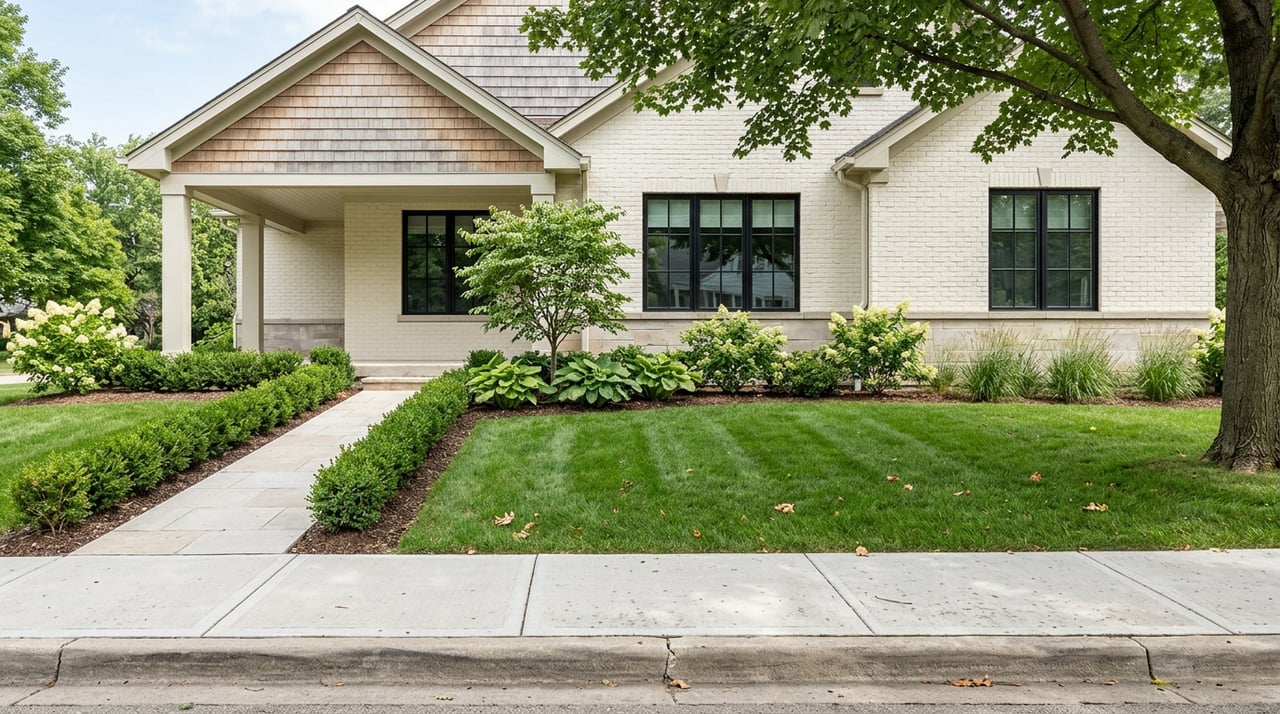
If you are willing to drive, bike, or arrange your routine around station parking, you may be able to broaden your housing choices. La Grange zoning supports a mix of residential forms, including single-family districts with minimum lot sizes ranging from 16,000 square feet in R-1 down to 5,000 square feet in R-5, along with two-family and multiple-family districts.
In practical terms, that creates a familiar trade-off. Homes farther from the rail corridor may offer a more suburban feel and potentially larger lots, while homes near downtown and the stations may emphasize walkability and access.
Parking Can Change Your Search
For Chicago commuters, parking is not a side issue. In La Grange, it can affect which home feels easy and which one feels complicated.
The village offers designated decal parking for the La Grange Road and Stone Avenue stations. This includes virtual permits for zones on Hillgrove Avenue and commuter lots at Burlington and 7th, known as Lot 12, and Burlington and Brainard, known as Lot 13.
Lot 13 is commuter-only and requires a current train pass. If you expect to drive to the station most weekdays, that type of rule is worth understanding early in your search.
Metered and Overnight Rules
La Grange also provides metered parking along Burlington and Hillgrove Avenues. These meters are enforced Monday through Friday from 6:00 a.m. to 6:00 p.m., while meter parking is free on weekends and federal holidays.
The village also has a 2:00 a.m. to 6:00 a.m. no-parking rule on village streets. If you are considering a home with limited off-street parking, this is one more factor to review before making an offer.
Historic Character and Daily Convenience
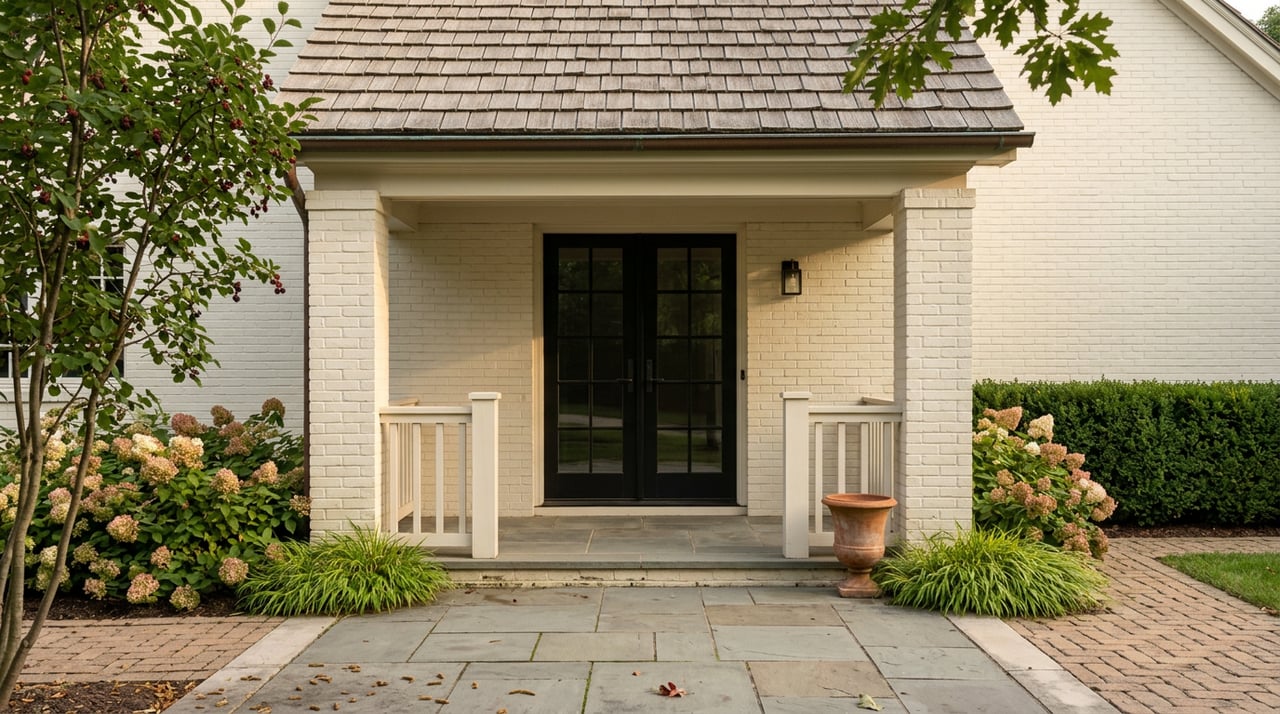
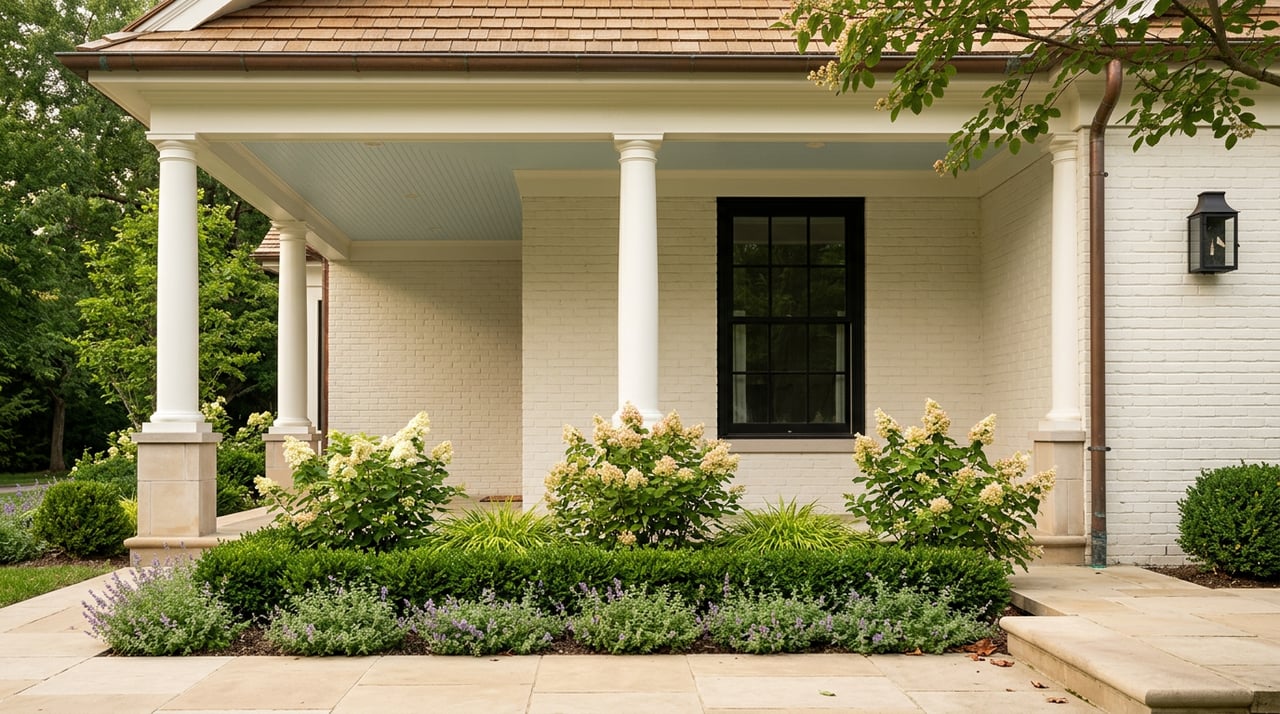
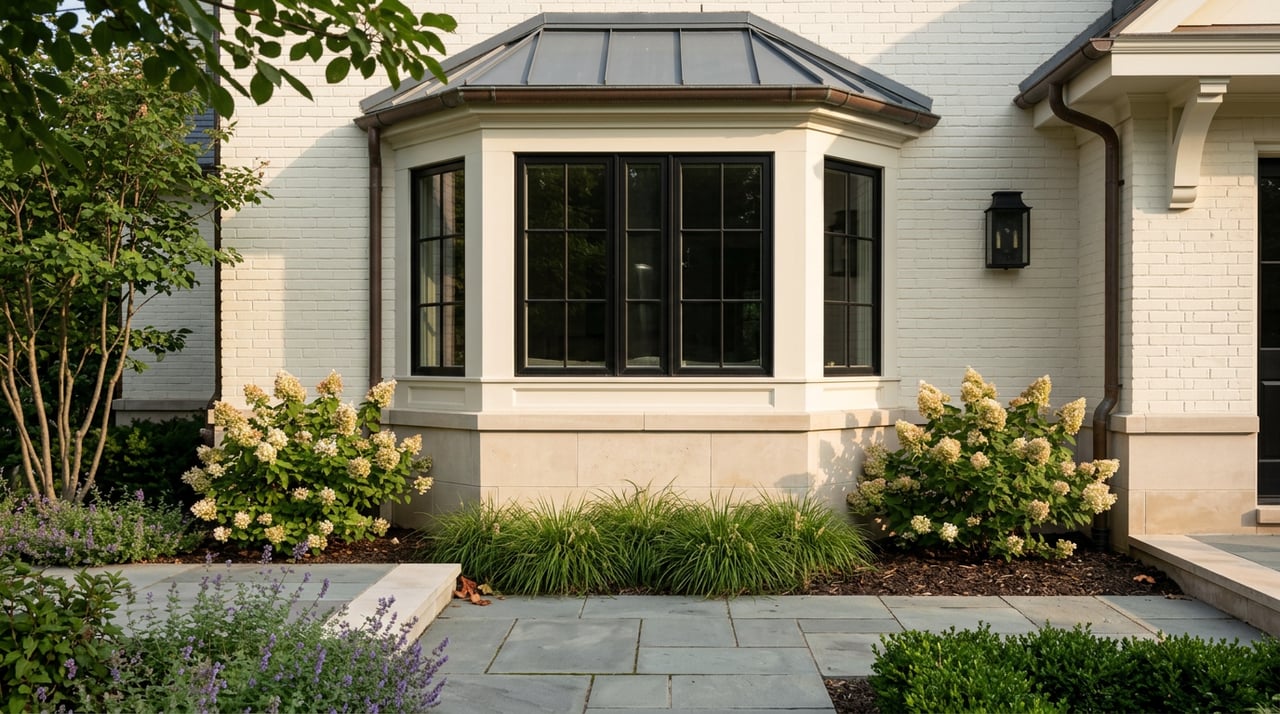
One of La Grange’s biggest draws is that commuter convenience does not have to come at the cost of character. The village’s older neighborhoods are part of a nationally recognized historic district, and the housing stock includes homes from the late 1800s and early 1900s in a variety of architectural styles.
The historic downtown also includes buildings dating to the 1890s and offers walkable access to shopping, dining, the library, and other civic uses. For many buyers, that blend of rail access and established village character is what makes La Grange stand out.
If you love older homes, this can be a strong fit. If you prefer more separation from the downtown core or want a different lot configuration, other parts of the village may better match your goals.
How to Choose the Right La Grange Location
The best location usually comes down to how you want your weekdays to feel. Before you focus too much on finishes or square footage, think about the practical side of your routine.
Ask yourself:
- Do you want to walk to the train most days?
- Will you need weekday commuter parking?
- Does weekend train access matter to you?
- Are you comfortable with local meter and overnight parking rules?
- Would you trade a shorter commute for a smaller lot or older home?
- Would you trade a longer station trip for more house and yard?
Those answers can point you toward the right part of La Grange much faster than price alone. They can also help you avoid buying a home that looks perfect on paper but feels inconvenient once real life begins.
A Smart Strategy for Buyers
If you are relocating or moving within the western suburbs, La Grange deserves a close look because it offers more than one commuter lifestyle. You can prioritize walkability, historic character, station proximity, parking flexibility, or more traditional suburban space, depending on what matters most to you.
That is why a thoughtful home search here should start with your commute habits, not just your wish list. Once you understand how you plan to use the train, where you want to park, and how often you head into Chicago, the right housing options become much clearer.
If you are considering La Grange and want guidance on finding the right home for your commute, historic-home preferences, or move-up goals, McCleary Group can help you evaluate the trade-offs and search with confidence.
FAQs
How does commuting from La Grange to Chicago usually work?
- Most commuters rely on Metra’s BNSF line, which serves Chicago Union Station from the LaGrange Road and LaGrange Stone Avenue stations.
What should homebuyers know about La Grange weekend train service?
- Weekend BNSF service is near-hourly, but weekend trains stop at LaGrange Road and do not stop at Stone Avenue.
What does a Metra commute from La Grange cost?
- Both La Grange stations are in Zone 3, and Metra lists a Zone 3 to Zone 1 one-way fare of $5.50 and a monthly pass of $110.
What housing trade-offs matter most in La Grange for Chicago commuters?
- Buyers often weigh walk-to-train convenience and downtown access against the possibility of larger lots and a more suburban feel farther from the rail corridor.
What parking rules should La Grange homebuyers review before buying?
- You should review commuter lot permit options, metered parking rules on Burlington and Hillgrove, downtown residential permit eligibility, and the village’s 2:00 a.m. to 6:00 a.m. no-parking rule on streets.
What makes La Grange appealing for buyers who commute to Chicago?
- La Grange combines a compact layout, two BNSF stations, a walkable downtown, and a mix of historic and other residential housing options in one suburb.