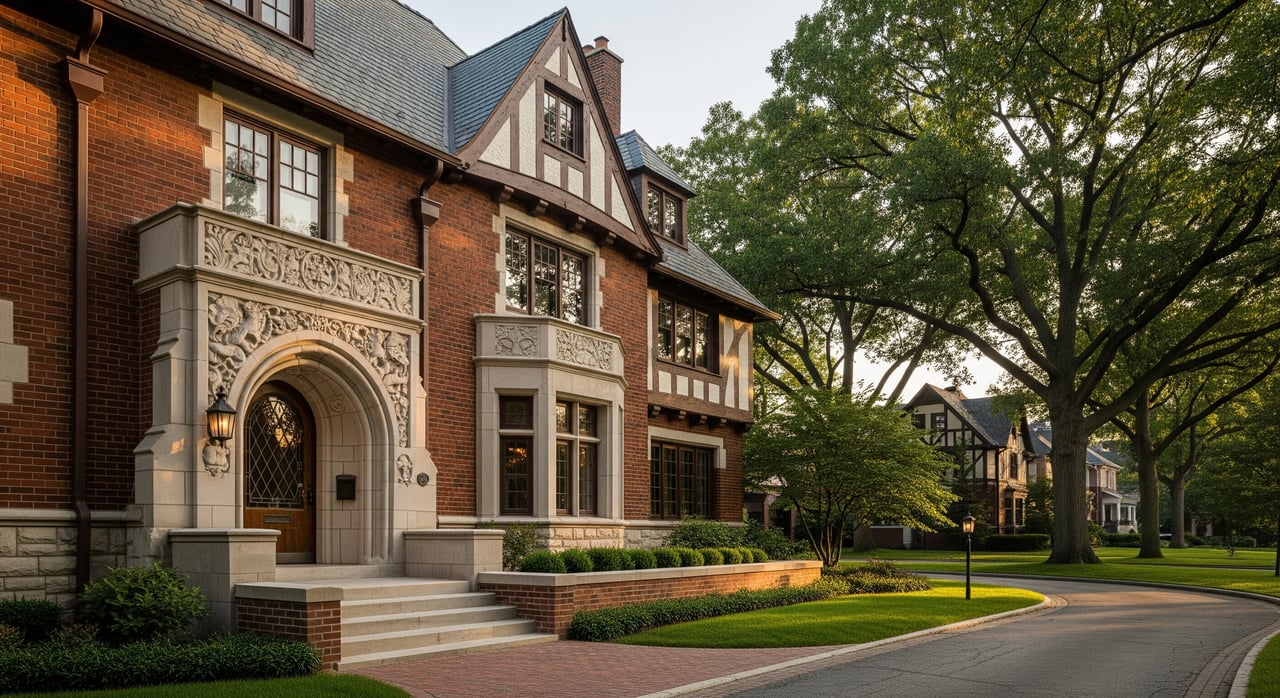
Love the character of Hinsdale’s tree-lined streets but not sure how to tell a Tudor from a Colonial, or what it really takes to own one? You want curb appeal, comfort, and long-term value without surprise costs. In this guide, you’ll learn how to spot Hinsdale’s hallmark historic styles, what to look for during inspections, and how to plan smart updates that preserve charm and boost resale. Let’s dive in.
Why Hinsdale’s historic homes stand out
Hinsdale is an established Chicago suburb shaped by late-19th and early-20th century growth. You see mature canopy trees, a walkable downtown near the Metra line, and streets with a strong architectural presence. Many homes cluster near downtown and along key north-south corridors, with larger lots and classic facades that anchor the neighborhood’s character.
Value in Hinsdale often ties to location near the village center and Metra, lot size and streetscape, and quality of original materials. Thoughtful updates that respect a home’s exterior scale tend to perform well when it is time to sell. If you love timeless design but want modern function, this market gives you both.
Tudor Revival: storybook drama, enduring materials
How to spot a Tudor
- Steep, multi-gabled roofs and asymmetrical massing
- Decorative half-timbering over stucco with brick or stone
- Tall, narrow grouped windows, often leaded casements
- Prominent chimneys with patterned brick or chimney pots
- Arched or recessed front entries
In Hinsdale, many Tudors feature high-quality masonry and stonework, often on prominent, tree-lined streets close to downtown.
What to expect inside
- Exposed beams, plaster walls, and cozy nooks
- Formal living and dining rooms typical of the era
- Built-ins and occasional stained or leaded glass accents
Buyer checklist for Tudors
- Roofs: steeper slopes and slate or composite shingles can raise replacement costs. Get a roofer experienced with slate and complex flashing.
- Masonry and stucco: plan for periodic repointing and stucco repair; check for wood rot in half-timbering.
- Windows: original leaded or wood casements are integral to the look; explore restoration or historically sensitive replacements.
- Interiors: kitchens and baths often benefit from modernization that keeps period details.
Colonial Revival: symmetry, balance, and flexible interiors
How to spot a Colonial Revival
- Symmetrical front with a centered entry and small portico or pediment
- Multi-pane double-hung windows, often with shutters
- Brick or clapboard siding with simple gabled roofs
Hinsdale has many stately brick examples where classic exteriors remain while interiors have been updated.
What to expect inside
- Central hall plans and formal, well-proportioned rooms
- Traditional moldings and fireplaces as focal points
Buyer checklist for Colonials
- Exteriors: brick and mortar need routine upkeep; confirm past repointing and window maintenance.
- Floor plan potential: regular room proportions make it easier to open or expand kitchens while keeping the exterior’s balanced look.
- Windows: consider restoration versus replacement to maintain character.
Queen Anne and late Victorian: ornate detail, lively silhouettes
How to spot a Queen Anne
- Asymmetrical facades with wraparound porches
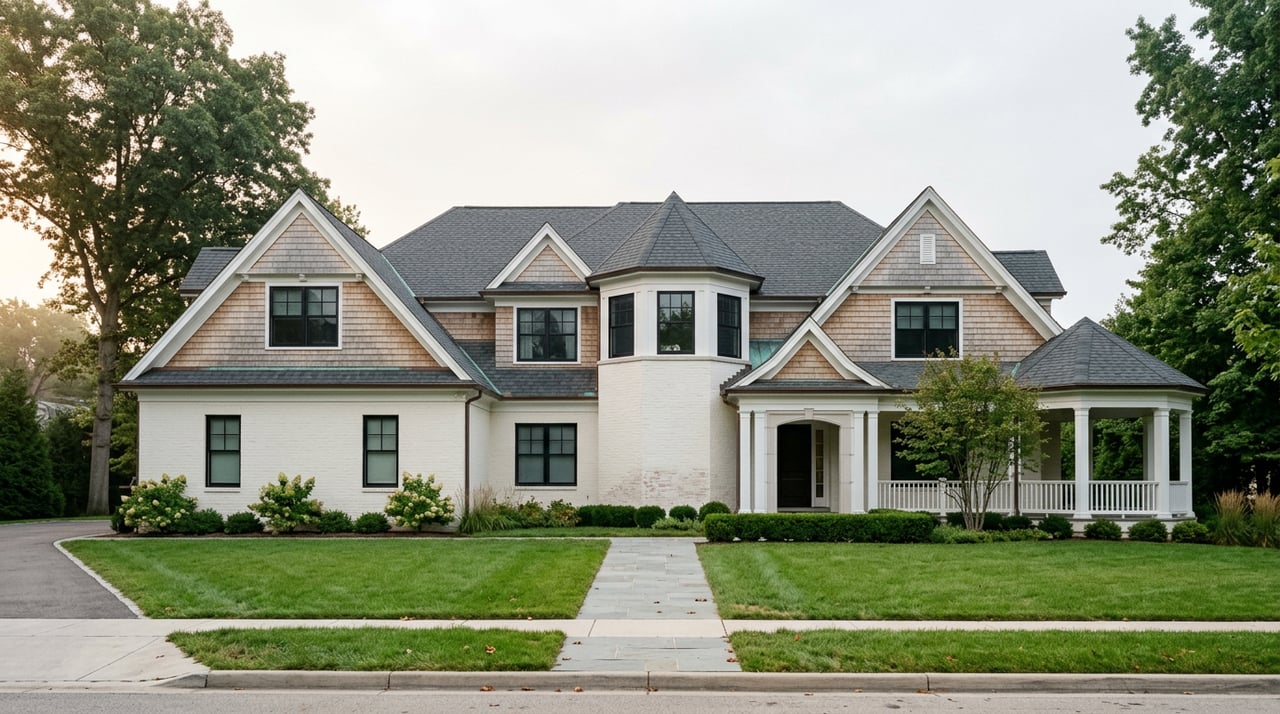
- Towers or turrets, bay windows, and patterned shingles
- Decorative trim, spindlework, and occasional stained glass
Earlier Hinsdale pockets include Queen Anne homes that often retain striking exterior ornament even after interior remodels.
What to expect inside
- Irregular floor plans with smaller rooms and hallways
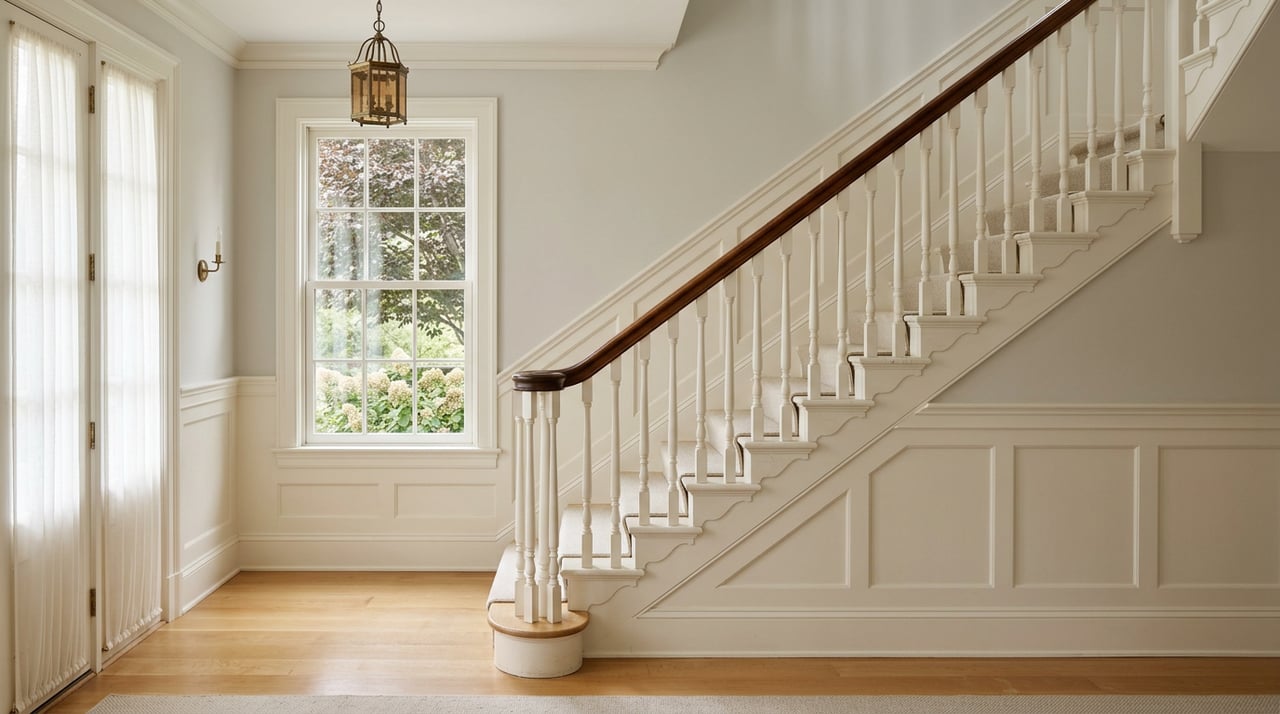
- Rich woodwork, detailed staircases, and distinctive trim
Buyer checklist for Queen Anne homes
- Porches, trim, and complex roofs require regular care; expect specialized carpentry and roofing.
- Confirm upgrades to plumbing and electrical since originals are often replaced over time.
- Budget for restoration of decorative elements that drive curb appeal and value.
Modern custom builds: luxury comfort with neighborhood scale
How to spot a contemporary custom
- Clean lines, large windows, and mixed materials like glass, stone, and steel
- Open layouts with high ceilings and indoor-outdoor flow
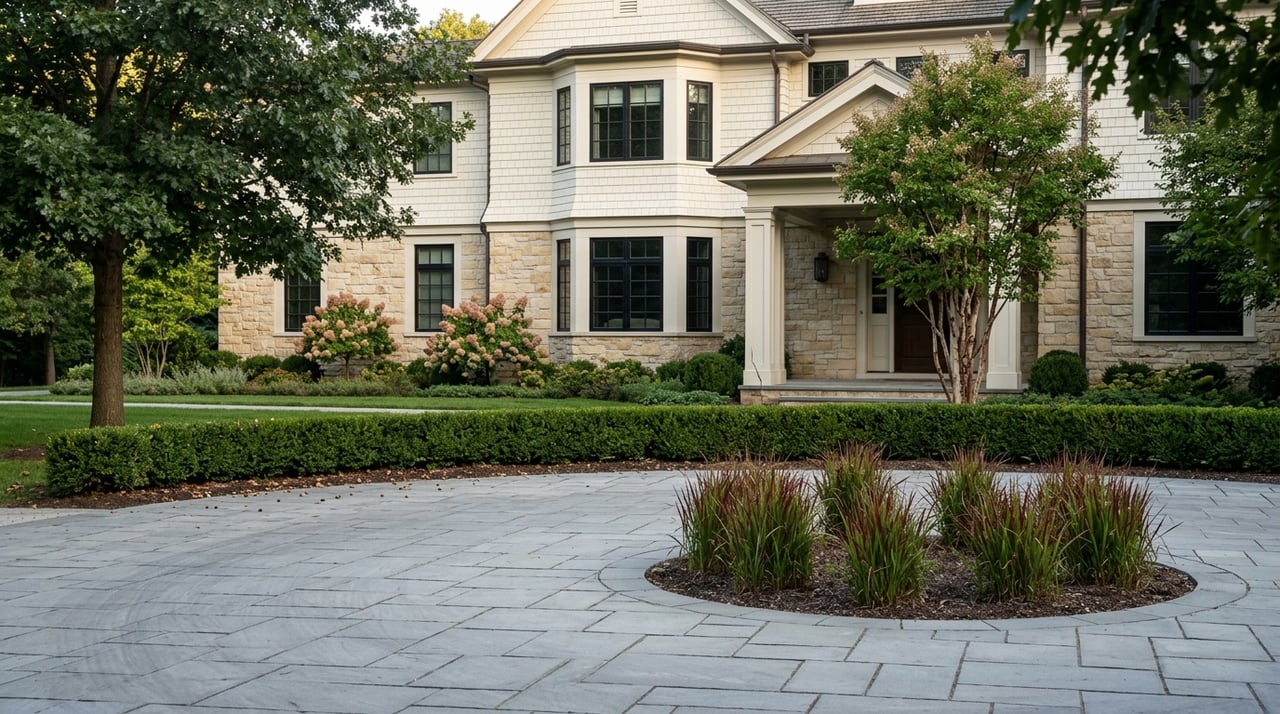
Infill custom homes in Hinsdale often balance modern features with respect for neighborhood scale and streetscape.
What to expect inside
- Open plans centered on large kitchens and great rooms
- Smart-home systems, spa-like baths, and energy-conscious construction
Buyer checklist for modern builds
- Expect improved insulation and mechanical efficiency compared to older homes.
- Unique systems and high-end finishes can raise insurance and replacement costs.
- Work with contractors familiar with the specific systems installed.
Permits, preservation, and zoning in Hinsdale
Hinsdale maintains historic preservation resources and review processes for significant structures. Exterior changes visible from the street, such as windows, siding, additions, or garages, typically require permits. If a property is locally designated or within a reviewed area, design review may apply. Additions must meet setback, lot coverage, and zoning-district rules.
Before you plan work, review municipal requirements and ask for the property’s permit history. Build potential review timelines into your renovation schedule. Federal and state historic tax credits generally target income-producing or certified historic properties, while many owner-occupied single-family homes do not qualify. Check current guidance before assuming eligibility.
Due diligence checklist for buyers
Pre-offer research
- Confirm commute and walkability to Metra and downtown based on your priorities.
- Request a record of major work and permits. Ask about changes to structure, windows, and mechanicals.
- Review property tax history and any local assessments.
Inspections and specialists
- General home inspection covering structure, roof, plumbing, electrical, and HVAC
- Masonry and stone specialist for foundations and chimneys
- Roofing contractor versed in slate, tile, or steep-pitch systems
- Historic-window restoration specialist or consultant for energy-efficient alternatives
- Structural engineer to evaluate settlement, sagging floors, or significant cracks
- Environmental testing for lead paint and asbestos in older homes
- Sewer scope and grading/drainage evaluation
- Architect or contractor for early cost estimates on expansions or plan changes
Common maintenance and upgrades
- Roof and flashing replacements, especially on complex or slate roofs
- Masonry repointing and brick or stone repair
- Window preservation or historically appropriate replacements
- Electrical service upgrades and remediation of outdated wiring
- Plumbing updates for galvanized supply lines or cast iron drains
- Insulation and HVAC improvements that respect historic fabric
- Moisture control through gutters, downspouts, grading, and drainage
Financing options to explore
- Conventional or jumbo loans for purchase
- Renovation-focused products such as FHA 203(k) or Fannie Mae HomeStyle Renovation, subject to eligibility
- Cash-out refinance or home-equity financing for later phases
Work with lenders who understand renovation appraisals and the nuances of historic properties.
What adds value in Hinsdale
- Location near downtown and the Metra line
- Lot size, mature trees, and cohesive streetscapes
- Quality and condition of original architectural elements
- Thoughtful modernization of kitchens, baths, and living spaces that respects exterior scale
Factors that can limit resale include deferred masonry or roof work and additions that exceed lot coverage or disrupt neighborhood patterns. Well-documented upgrades with permits and period-authentic restoration tend to earn a premium at sale.
Quick visual ID: open house cheat sheet
- Tudor: steep gables, half-timbering over stucco, narrow leaded windows, strong chimneys
- Colonial Revival: symmetrical facade, centered portico, multi-pane double-hung windows, brick or clapboard
- Queen Anne: asymmetry, wraparound porch, turret or bay, patterned shingles and ornate trim
- Modern custom: large glazing, open plan, mixed contemporary materials, flat or low-pitched roofs
How to choose the right style for you
Start with lifestyle priorities: location for commute, preferred room flow, and must-have systems or amenities. If you love cozy, character-rich rooms, a Tudor or Queen Anne may fit. If you prefer symmetry and easier plan changes, a Colonial Revival offers flexibility. If turnkey efficiency and smart systems top your list, a modern custom build could be ideal.
Engage the right team early. Pair a local agent who knows Hinsdale’s historic inventory with inspectors and trade specialists who can forecast costs and timelines. Build a conservative budget for preservation-sensitive work. With the right plan, you can protect the character you love and enjoy a comfortable, efficient home.
Ready to find your fit or evaluate a specific property? Connect with the McCleary Group for neighborhood-level insight, curated on and off-market opportunities, and seasoned guidance from search through closing.
FAQs
What defines a Tudor Revival home in Hinsdale?
- Look for steep multi-gabled roofs, half-timbering over stucco, tall narrow windows, and prominent decorative chimneys, often with high-quality masonry.
How do Colonial Revival homes differ from Tudors in livability?
- Colonials typically have symmetrical layouts and central halls that make kitchen expansions and plan tweaks more straightforward than many Tudors.
What permits are needed for exterior changes on Hinsdale historic homes?
- Exterior work visible from the street, such as windows, siding, additions, or garages, usually requires permits and may trigger design review depending on designation.
Are Queen Anne homes harder to maintain?
- Their ornate trim, wraparound porches, and complex rooflines need ongoing care and sometimes specialty crafts, so plan for more frequent maintenance.
Can I use renovation loans for a Hinsdale historic home purchase?
- Yes, products like FHA 203(k) and Fannie Mae HomeStyle Renovation can help finance improvements if you meet program criteria.
How do modern custom builds compare on energy performance?
- Newer custom homes typically offer better insulation and mechanical systems, which can improve comfort and efficiency relative to older structures.