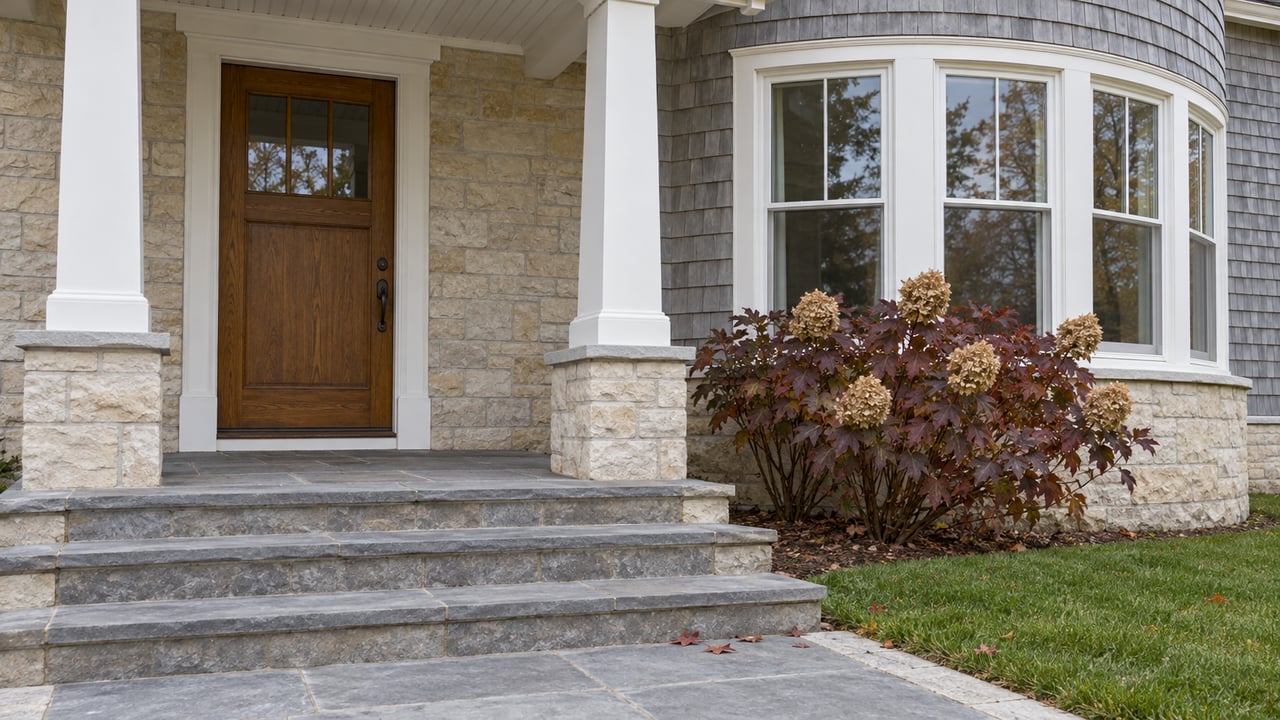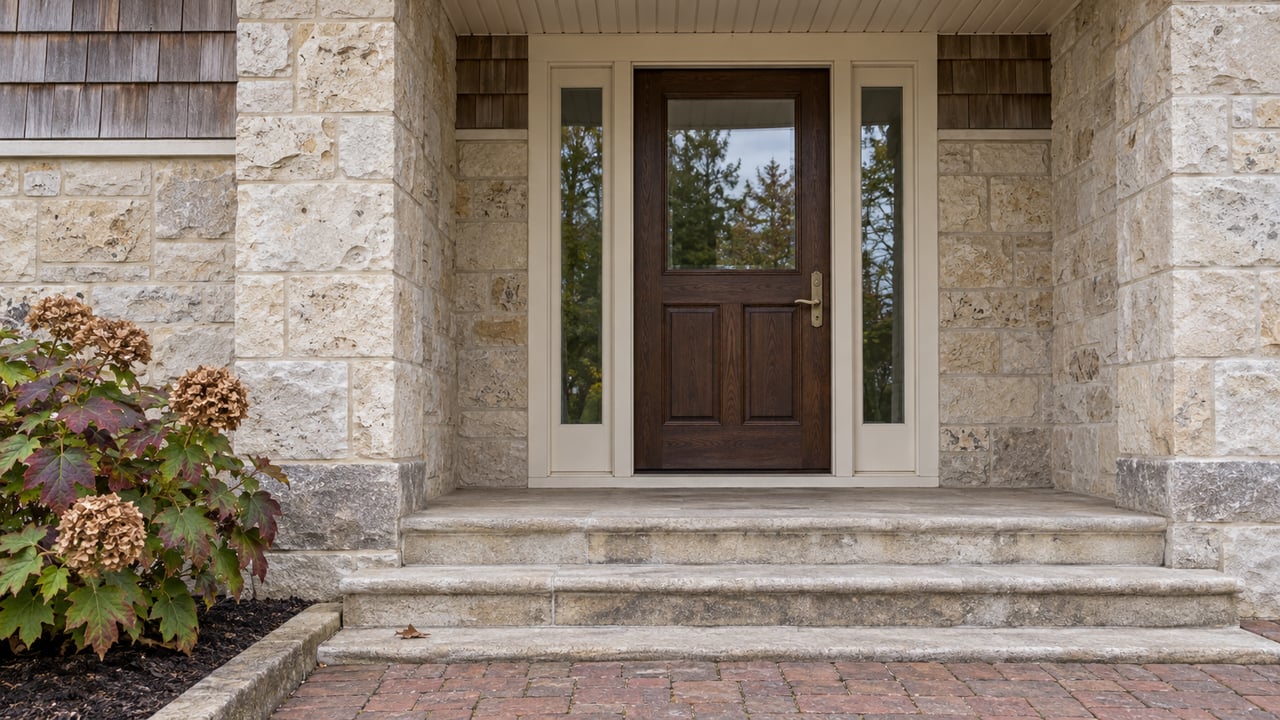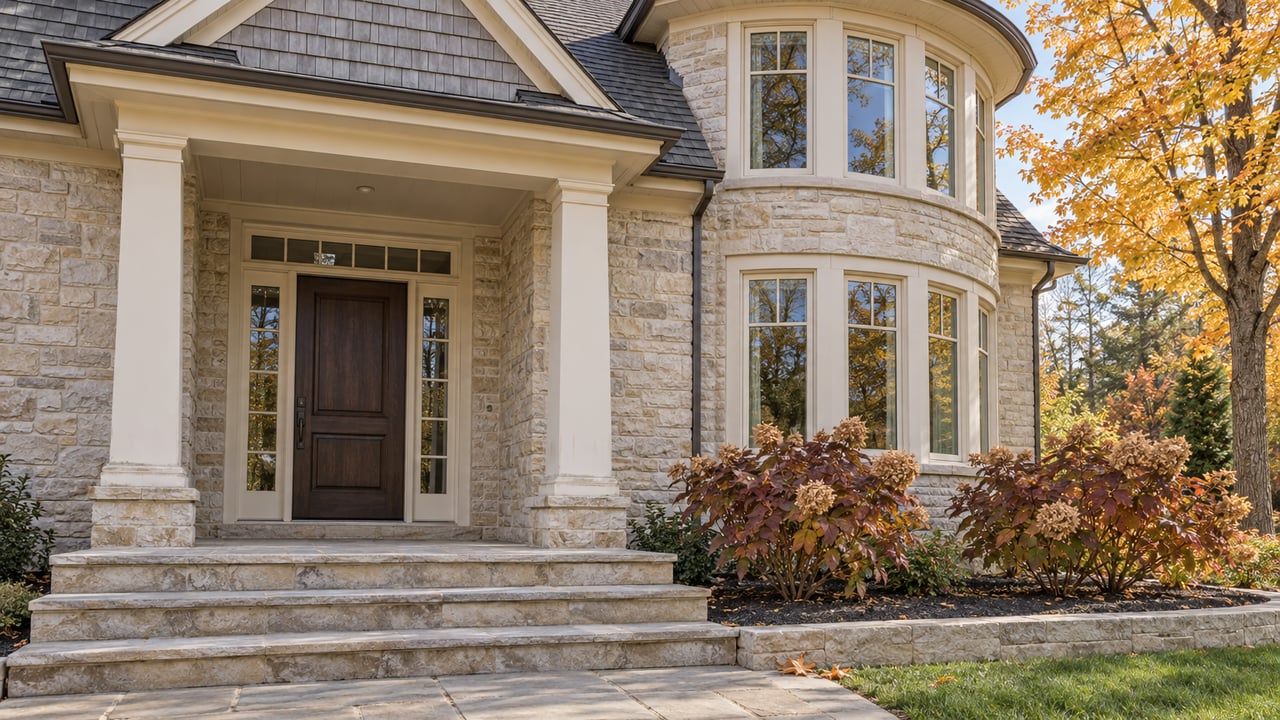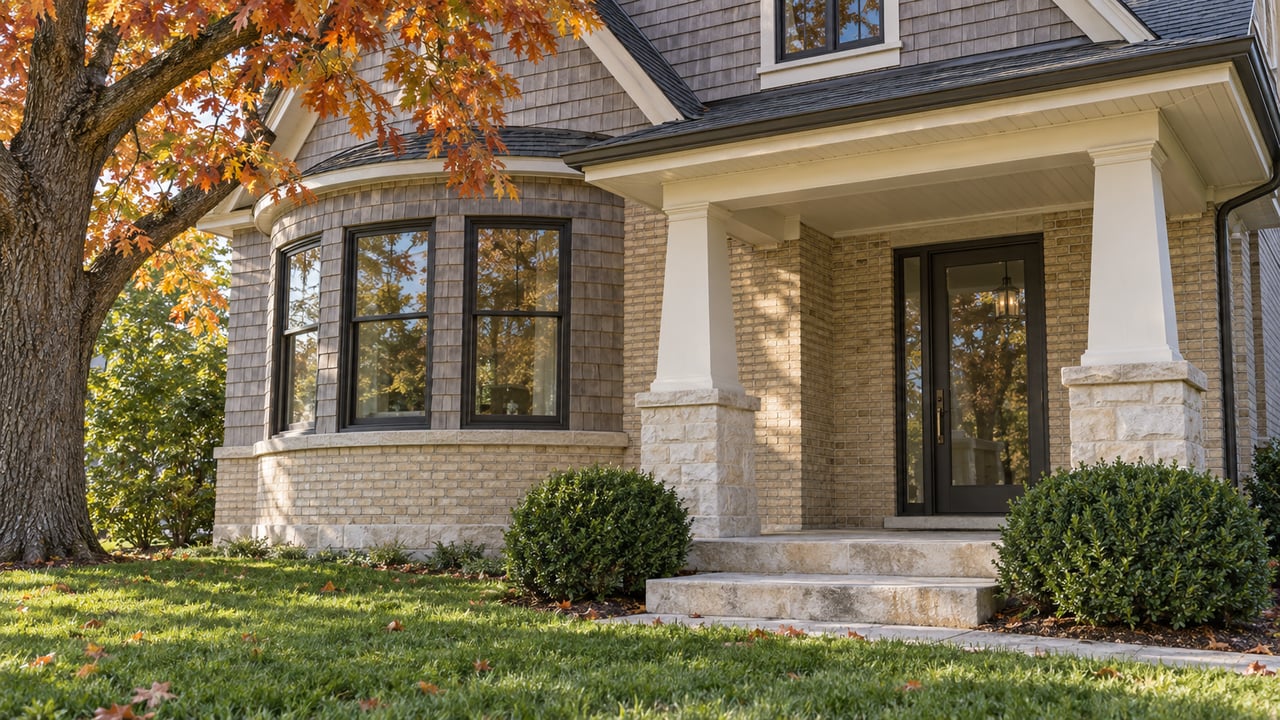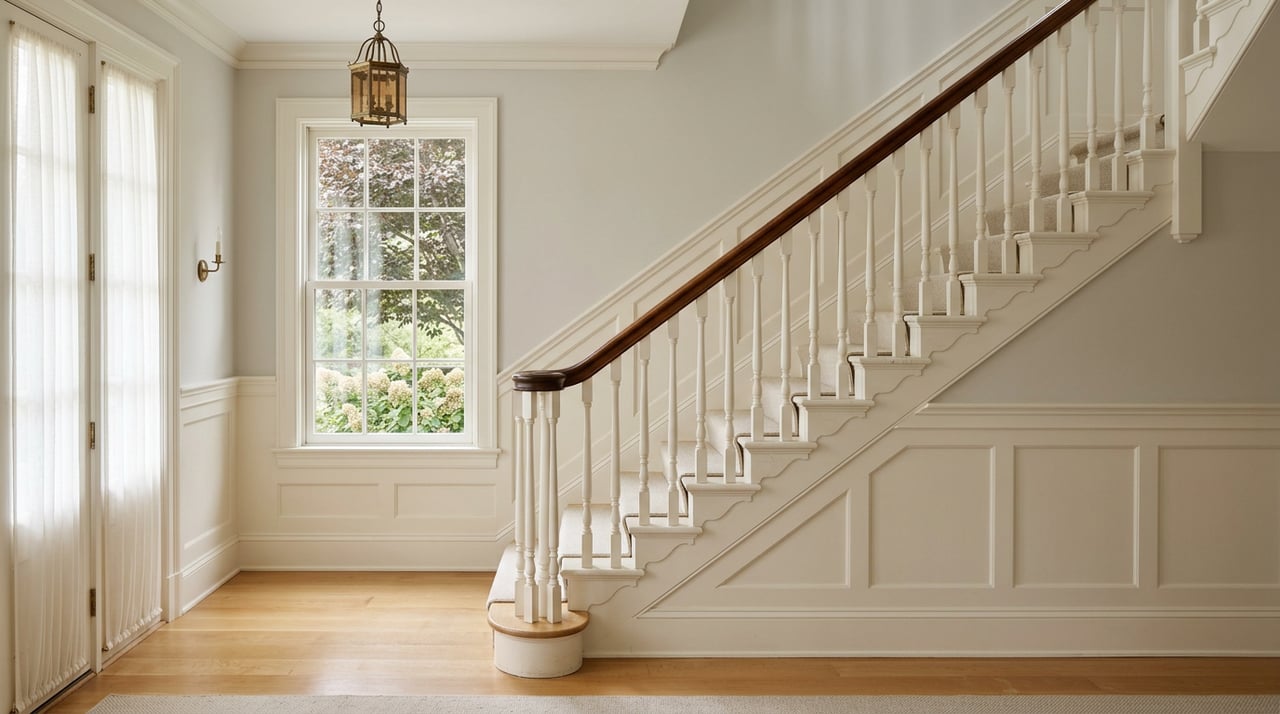
In April 2026, the owner of a 115-year-old Colonial Revival at 305 S. Garfield St. asked Hinsdale's Historic Preservation Commission for permission to tear it down and build something new. The commission's own chair, John Bohnen, said he worried the vote would push Robbins Park closer to losing its spot on the National Register of Historic Places, since so little of the district's original architecture remains. Then the commission approved the demolition and the new design anyway, 5 to 0.
That outcome highlights an important distinction for anyone considering an older Hinsdale home: as The Hinsdalean reported, a Certificate of Appropriateness hearing is advisory. The village requires a hearing on the record before a proposed demolition or new construction proceeds. If you are shopping for an older home in Hinsdale, or you own one and are wondering what your options actually are, that distinction changes how you should plan.
How the review process works
The Hinsdale Historic Preservation Commission minutes explain that Hinsdale is not a home rule municipality, which limits how far its ordinances can reach into a private owner's decision to demolish. The village's Historic Preservation Commission reviews proposed demolitions and new construction in Robbins Park and on any landmarked property, and if there's disagreement, the matter goes to the elected Village Board. But both votes are advisory. A homeowner whose Certificate of Appropriateness is denied can still pull a permit and build, provided the plan meets the underlying zoning code. The village has been candid about this on the record: the review process is designed to encourage preservation, not to dictate what an owner ultimately does with the property.
In June 2020, the Village Board considered a six-month moratorium on demolishing historic homes after three Robbins Park owners filed plans within weeks of each other. The Plan Commission held three virtual public hearings, and trustees voted the moratorium down 5 to 1. The village later pursued preservation incentives.
What a teardown in Robbins Park actually costs you
If you're buying a home in Robbins Park with rebuild plans, or selling one and expecting a builder buyer, the process has real steps and real numbers attached, independent of how the advisory vote comes out.
Before a Certificate of Appropriateness hearing can even be scheduled, an applicant in Robbins Park has to file a preliminary application and sit down with the village's Ad Hoc Historic District Design Review Team. That step was added in 2024 specifically to get design conversations happening earlier, rather than after a homeowner has already committed to a set of drawings. The same year, the village raised its Robbins Park demolition fee from $7,928 to $11,100, a change intended to cover the staff and consultant time the review actually consumes.
Separately, village-wide, any residential demolition requires notifying neighbors and waiting after that notice is certified before a permit can issue. None of this stops a demolition. All of it adds costs that a lot of teardown pro formas don't account for.
The incentive that flips the math
Here's where Hinsdale's approach gets more interesting than a simple review process. As Dwell reported, the village has run a voluntary program since 2022 that puts qualifying older homes on its Historically Significant Structures Property List, and the benefits attached to that list are not just symbolic.
The most counterintuitive one: homes on the list can qualify for alternative bulk zoning, an expedited path to design flexibility that can let an owner build more than a straight teardown would allow under standard setback and lot coverage rules. As The Hinsdalean reported, Trustee Alexis Braden said the village is telling owners "we're going to allow you to build bigger on your lot than if you tore down." For a family that's outgrown a century-old floor plan but doesn't want to lose the house, that's not a consolation prize. It can be the better deal.
The list also comes with fee waivers for permits and Certificate of Appropriateness applications, matching grants, and, according to the Village of Hinsdale, a rebate of the village's portion of the property tax bill for up to five years, available to owners who invest at least $50,000 in eligible exterior rehabilitation work. As of May 2026, the Village Board had approved roughly $246,000 in fee waivers, $160,000 in grants, and $137,000 in five-year tax rebates combined, against more than $12 million in new construction the program has generated. The village is spending a small amount to redirect a much larger amount of private capital toward renovation instead of demolition, and the numbers suggest it's working: after the incentive program's first full year, fewer houses were demolished in Hinsdale than in any year on record going back to at least 1987.
The list doesn't freeze anything either
One more detail worth knowing before you assume a listed home is safe from demolition forever: it isn't. Under the Village of Hinsdale's own rules, a property is automatically struck from the Historically Significant Structures Property List the moment it's torn down, no hearing required. As of May 2026, roughly 99 buildings carried the designation, even though 102 properties had been added to the list cumulatively since the program began a little over three years earlier. The gap between those two numbers is the tell. A handful of listed homes were demolished anyway. The list changes the incentives pointing toward preservation. It does not remove the option to demolish.
Where this actually applies
Two overlapping areas matter most if you're evaluating an older Hinsdale property.
- Robbins Park, a National Register historic district since 2008, is bounded by Garfield Street on the west, County Line Road on the east, and Eighth Street on the south. At the time of its 2008 designation, 65 percent of its 475 homes were classified as historically significant or contributing. Village preservationists have put the number of homes lost to demolition in the district at 30 or so since then, including the Whitney House at 142 E. First St., built in 1869 and the first property in Hinsdale added to the National Register, which was demolished in October 2025 after decades of ownership by Grace Episcopal Church.
- Downtown Hinsdale is also a historic district, roughly bounded by Maple, Lincoln, Garfield, and Second, with the same review expectations for landmarked properties.
But the Historically Significant Structures Property List itself is broader than either of those areas. Eligibility extends to the village's full Historic Overlay District, which covers the R-1 through R-4 single-family zones along with several business, office, and institutional districts. A home doesn't have to sit inside Robbins Park to qualify. It has to meet at least one of six criteria the village uses to evaluate historical or architectural significance, which include ties to a notable architect or a significant person or event in village history. Homes designed by architects like R. Harold Zook have made the list, alongside properties tied to former village presidents and state senators.
Two paths, side by side
| Teardown and rebuild | Stay and renovate (listed) | |
|---|---|---|
| Approval path | Certificate of Appropriateness hearing, advisory | List inclusion hearing, then optional alternative bulk zoning application |
| Added steps in Robbins Park | Preliminary application, Design Review Team meeting | Same design coordination, framed around preserving character |
| Direct costs | $11,100 Robbins Park demolition fee, standard permit fees | Waived permit and application fees |
| What you can build | Standard zoning envelope for your district | Potentially larger footprint via alternative bulk zoning |
| Financial support | None | Matching grants, up to 5 years of village property tax rebate on $50,000+ in eligible work |
| Long-term status | Permanent once built | Stays on the list until removed by demolition |
What this means before you write an offer
If you're evaluating a Hinsdale home built before the 1960s, ask three things before you fall in love with either a renovation vision or a builder's rendering: is the property currently on the Historically Significant Structures Property List or eligible for it, does its zoning district and lot support the square footage you actually want under standard rules versus what alternative bulk zoning might allow, and if demolition is the plan, have you budgeted for the Robbins Park fee and the design review step on top of everything else.
None of this makes a teardown wrong for every property, and it doesn't make preservation the automatic financial winner either. It depends on the lot, the house, and what you're trying to build. What it does mean is that the easy assumption, that a historic district label protects a house or that staying out of one frees you from any review at all, doesn't hold up once you look at how the village's own numbers actually moved.
McCleary Group has spent years working through exactly these questions with buyers and sellers of Hinsdale's older housing stock, from Robbins Park estates to mid-century homes just outside it. If you're weighing a purchase, a renovation, or a sale involving one of these properties, request your complimentary home valuation and we'll walk through what your specific lot and zoning district actually allow.
A few questions worth asking
Does a denied Certificate of Appropriateness stop a sale from closing? No. The certificate process addresses demolition and construction approvals, not the transaction itself. A buyer can close on a property and still pursue demolition even after a denial, provided the underlying zoning code is met.
Can a home outside Robbins Park still qualify for the incentive list? Yes. Eligibility is tied to the village's Historic Overlay District, which includes all four single-family residential zones plus several business and institutional districts, not just Robbins Park or the downtown historic district.
If I buy a home that's already on the list, am I locked into keeping it? No. Listing status carries incentives, not a legal restriction. If the home is ever demolished, it's automatically removed from the list without a public hearing.
This article is general information, not legal, tax or financial advice. Consult a qualified professional about your situation.