Wondering whether a historic home or new construction is the better fit in La Grange? It is a smart question, especially in a village known for preserved character, mature streetscapes, and a housing stock that is largely already built out. If you are weighing charm against convenience, this guide will help you compare the real tradeoffs so you can make a confident move. Let’s dive in.
Why this choice matters in La Grange
La Grange is a compact western suburb about 14 miles west of Chicago, covering roughly 2.5 square miles with an estimated population of 15,550. The village notes that its housing stock is primarily single-family homes, and its zoning map includes multiple single-family residential districts along with a Design Review Overlay District.
That local context matters. Because La Grange is small and largely developed, true new construction tends to be more limited than in suburbs with more open land. In many cases, buyers are choosing between an older home with architectural character and a newer home created through infill, major renovation, or teardown and rebuild.
The village also places clear value on preservation. Official village materials highlight La Grange’s historic homes and preserved community character, especially in older sections with late-19th- and early-20th-century architecture.
What historic homes offer
Historic homes in La Grange often stand out for details that are hard to replicate. Local historical materials identify styles such as Victorian, Queen Anne, Prairie, bungalow, American Foursquare, and Classical Revival.
These homes may feature large front porches, decorative trim, set-back lots, oak detailing, and more defined room layouts than many newer homes. If you are drawn to individuality and a strong sense of place, that can be a major advantage.
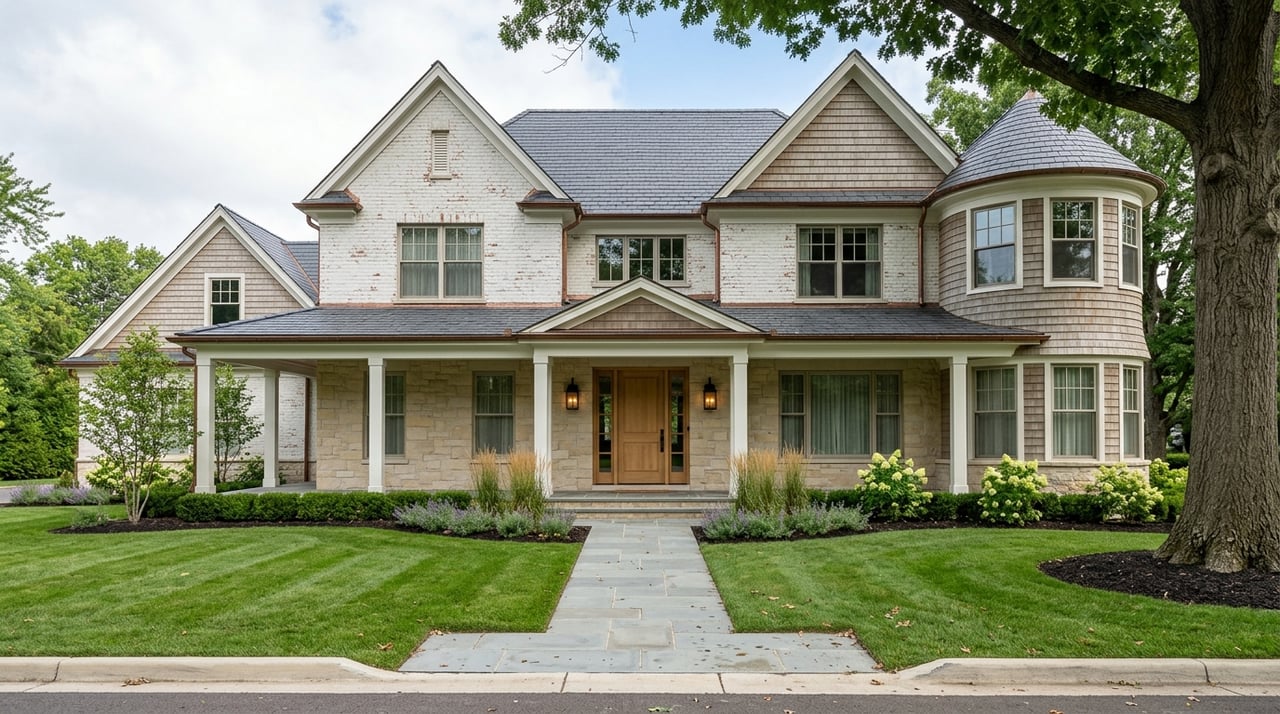
Another appeal is the feel of an established streetscape. Mature landscaping, older trees, and distinctive facades can create a level of curb appeal that many buyers find especially compelling in La Grange.
Historic home pros
- Distinctive architecture and original details
- Established streets and mature landscaping
- Strong connection to La Grange’s preserved character
- Potential flexibility to update over time based on your goals
Historic home tradeoffs
- More likely to need ongoing maintenance if not fully updated
- Older layouts may feel more compartmentalized
- Insulation and energy performance may lag behind newer homes
- Renovations can require more planning, review, and specialized work
The energy piece is worth paying attention to. The U.S. Department of Energy notes that many older homes have less insulation than homes built today, and an energy audit can help identify opportunities for air sealing and insulation improvements.
What new construction offers
For many buyers, new construction is appealing because it can reduce near-term repair surprises. A newer home often brings current building methods, updated systems, and floor plans that reflect how many people want to live today.
Energy performance is one of the biggest selling points. ENERGY STAR says certified new homes include quality-installed insulation, high-performance windows, high-efficiency heating and cooling, and third-party testing. It also states that certified homes are at least 10% more efficient than homes built to minimum code.
That can translate into more than lower utility use. The Department of Energy describes efficient new homes as designed around comfort, durability, health, and energy savings, which can make daily living feel simpler and more predictable.
New construction pros
- More current systems and building performance
- Lower likelihood of immediate major repairs
- More open and modern layouts in many cases
- Better efficiency potential with updated insulation and windows
New construction tradeoffs
- Fewer opportunities in a built-out market like La Grange
- Timing and budget can be shaped by local review and permit rules
- New does not automatically mean flawless workmanship
- Some buyers may prefer the detail and street presence of older homes
Even with a brand-new home, due diligence still matters. Buyers should pay close attention to site grading, drainage, finish quality, and how installed systems perform.
La Grange permit and design review rules
In La Grange, building and renovation plans are shaped by local requirements. The village requires permits for erection, construction, alteration, additions, removal, and demolition.
That includes many projects buyers commonly consider after closing, such as room remodels, structural changes, HVAC replacement, foundation waterproofing, and changes to plumbing or electrical systems. The village also states that changing window or door sizes, adding or enlarging a room, and kitchen or bathroom remodels often require permit review.
By contrast, some basic cosmetic work generally does not require a permit. Painting, replacing flooring, and replacing windows or doors in the same size are examples the village identifies as typically not requiring permits.
For some properties, there is another layer. La Grange’s zoning code includes a Design Review Overlay District, and projects in that overlay require a development plan and a design review permit.
Why this matters for buyers
If you are considering a teardown, major addition, or substantial renovation, local review can affect:
- Project timing
- Design options
- Construction scope
- Overall budget planning
This does not mean you should avoid the opportunity. It does mean you should go in with a clear understanding of what approvals may be needed.
Inspection issues to watch in both home types
A home inspection matters whether you buy old or new. Fannie Mae says inspectors typically review electrical, gas, plumbing, roofing, insulation and ventilation, heating and cooling, fireplaces and venting, foundation and crawlspaces, exterior grading, and windows.
Inspection reports can help you identify safety, maintenance, and structural concerns before closing. In some cases, additional specialists may be needed for issues such as radon, mold, asbestos, lead, or pests.
For older homes, age-specific concerns deserve extra attention. The EPA says homes built before 1978 are more likely to contain lead-based paint, and it estimates that 87% of homes built before 1940 and 24% of homes built between 1960 and 1978 contain some lead-based paint.
If work will disturb old materials, asbestos may also be part of the conversation. The EPA advises caution with possible asbestos-containing materials such as floor tile, ceiling tile, and pipe wrap.
Smart questions to ask before you buy
- Has the home had major system updates, and when?
- Were past renovations completed with required permits?
- For older homes, has lead-safe work been used during updates?
- Have any suspected asbestos-containing materials been evaluated?
- Are there drainage, grading, or waterproofing concerns?
- For newer homes, what builder or contractor documentation is available?
Which option fits your lifestyle best?
The right answer often comes down to how you want to live and what level of involvement you want after closing. In La Grange, both historic homes and newer homes can be excellent choices when they are well executed and fit the street and lot.
Choose a historic home if you value architectural identity, mature surroundings, and the chance to own something with lasting character. This path can be especially attractive if you are comfortable budgeting for updates and making thoughtful improvements over time.
Choose new construction if you want stronger energy performance, more modern systems, and a more predictable maintenance profile in the early years. If convenience and efficiency rank high on your list, that can be a meaningful advantage.
How resale appeal plays out in La Grange
Current market portals point to a competitive La Grange market, even though their exact figures differ. Realtor.com reports 46 homes for sale, a median listing price of $443,450, and a median of 21 days on market, while Redfin says homes receive about three offers on average and sell in around 49 days.
The precise numbers vary by source, but the broader takeaway is consistent. In a market with limited inventory and relatively quick turnover, homes usually need a strong story and solid execution.
Historic homes can attract buyers who want architectural character and a sense of continuity with the village’s preservation-oriented identity. Newer homes can appeal to buyers focused on efficiency, lower near-term maintenance, and updated systems.
In practice, La Grange tends to reward homes that are well presented, thoughtfully maintained, and appropriate for their setting. Old or new, the best-performing homes are usually the ones that feel complete, cared for, and aligned with what buyers expect on that block.
A practical way to decide
If you are torn between the two, try filtering your decision through three questions.
First, what matters more to you day to day: character or convenience? Historic homes often offer the former, while newer homes often deliver the latter.
Second, how much project management are you willing to take on? If you enjoy improving a home over time, an older property may be rewarding. If you prefer a more turnkey experience, new construction may be the better fit.
Third, how important is future flexibility? In La Grange, permit rules and design review requirements can influence what is possible, especially on renovation-heavy purchases. Knowing that early can help you avoid expensive surprises.
A thoughtful buying strategy is especially important in a nuanced market like La Grange. If you want guidance on weighing character, condition, resale potential, and renovation feasibility, the team at McCleary Group can help you evaluate your options with a local, high-touch perspective.
FAQs
What makes historic homes in La Grange different from newer homes?
- Historic homes in La Grange often feature architectural styles such as Victorian, Queen Anne, Prairie, bungalow, American Foursquare, and Classical Revival, along with details like porches, trim, and more established streetscapes.
Are there many new construction homes in La Grange?
- Because La Grange is a compact, largely built-out village, true new construction is typically a smaller share of the market than in less developed suburbs.
Do historic homes in La Grange require more maintenance?
- They can, especially if the home has not been comprehensively updated. Older homes may have aging systems, less insulation, and more renovation needs over time.
Do I need permits to renovate a home in La Grange?
- Many projects do require permits, including kitchen and bathroom remodels, structural changes, HVAC replacement, plumbing and electrical work, waterproofing, and changes to window or door sizes.
Should I get an inspection on a new construction home in La Grange?
- Yes. Even with new construction, an inspection can help you review grading, drainage, finish quality, and the performance of installed systems before closing.
What should buyers ask about older homes built before 1978?
- Buyers should ask about lead-safe work practices, whether lead-based paint may be present, whether suspected asbestos-containing materials have been evaluated, and whether past renovations were properly permitted.